


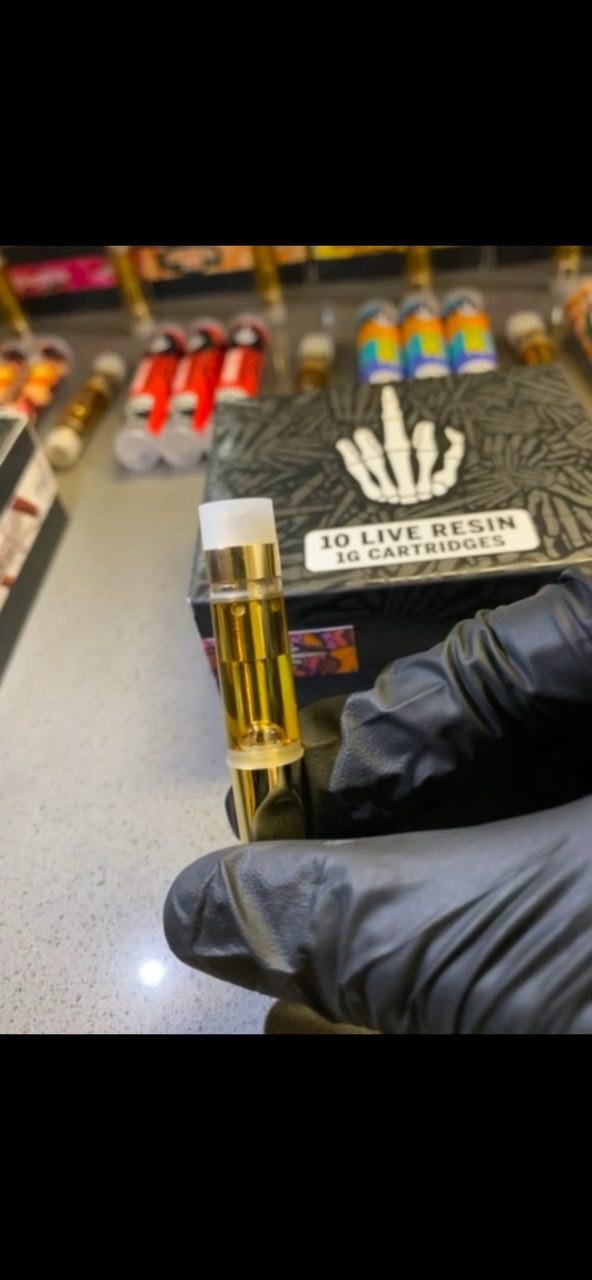
FU 510 cartridges
$150.00 – $650.00
FU 510 cartridges are cartridge-style vape components designed around the common 510-thread connection. Their compact design typically includes a reservoir, heating element, mouthpiece, and threaded base for use with compatible 510 batteries. Product specifications, contents, and compatibility can vary, so always check the manufacturer’s labeling and instructions.
FU 510 Cartridges
FU 510 cartridges feature the widely used 510-thread format found across many compatible vape devices. Designed for use with appropriately matched 510 batteries, these cartridges typically combine a compact reservoir, heating element, mouthpiece, and threaded connection in one convenient cartridge-style design.
The 510 connection provides broad hardware compatibility, although users should always verify that their battery is suitable for the specific cartridge and follow the manufacturer’s recommended settings. Depending on the particular FU 510 cartridge, contents, capacity, materials, and specifications may differ.
For proper handling, store cartridges upright in a cool, dry location away from excessive heat and direct sunlight. Inspect the cartridge before use and do not use damaged, cracked, or leaking hardware. Always review the product label for ingredient information, applicable warnings, and manufacturer instructions.
FU 510 cartridges, FU 510 cartridge, 510 vape cartridge, 510 thread cartridge, FU cartridge, 510 compatible cartridge, vape cartridge components, 510 cartridge compatibility.
FU 510 Cartridges: Uses, Properties & Manufacturing Overview
Uses of FU 510 Cartridges
FU 510 cartridges are designed as cartridge-style components for compatible 510-thread vape batteries. The standardized 510 connection allows a cartridge to screw onto an appropriately designed battery. Depending on the particular formulation and market, cartridges may be used with different types of vape oils or concentrates. Compatibility, contents, capacity, and intended use should always be confirmed from the manufacturer’s product labeling.
Properties of FU 510 Cartridges
Typical properties of a 510 cartridge include a compact reservoir, mouthpiece, heating element, internal center post, and 510-threaded base. The cartridge body may be manufactured from materials such as borosilicate glass or specialized thermoplastic, while heating systems can incorporate ceramic or other heating technologies. For example, established 510 cartridge designs commonly use borosilicate glass bodies and ceramic heating elements.
Important properties generally include:
- 510-thread connection: Provides compatibility with appropriately matched 510 batteries.
- Compact construction: Designed to integrate the reservoir and heating system into a relatively small cartridge.
- Reservoir: Holds the manufacturer’s specified vape formulation.
- Heating element: Converts electrical energy from the battery into heat for vaporization.
- Mouthpiece: Provides the outlet for the generated aerosol.
- Material compatibility: Cartridge materials are selected to withstand contact with the intended formulation and operating temperatures.
- Leak-resistant construction: Seals and component tolerances are important for minimizing leakage.
General Manufacturing Process
The manufacture of a 510 cartridge generally involves several controlled stages. First, the cartridge housing and individual components are manufactured according to the required specifications. Depending on the design, the housing may use glass or thermoplastic materials, while the heating assembly may use ceramic, metal, or other engineered components. Commercial cartridge manufacturers use standardized components and quality-control procedures to ensure consistent dimensions and connections.
The major stages can be summarized as:
- Component production: The reservoir, mouthpiece, heating assembly, center post, seals, and threaded base are manufactured.
- Component inspection: Individual components are checked for dimensions, defects, material quality, and compatibility.
- Cartridge assembly: The heating element and internal components are integrated with the cartridge housing.
- Sealing and connection: The mouthpiece, seals, and 510-thread connection are fitted to create the completed cartridge.
- Quality testing: Finished hardware can undergo inspections for leakage, electrical characteristics, mechanical fit, and material compliance.
- Packaging: Approved cartridges are packaged according to applicable manufacturing and regulatory requirements.
The specific manufacturing method for an FU-branded cartridge may differ because cartridge designs, materials, heating technologies, and quality-control procedures vary between manufacturers. Therefore, manufacturer documentation should be used for any FU-specific specifications.
Important Note
A 510 cartridge is not the same thing as the battery. The 510 specification primarily describes the threaded connection between compatible hardware. Different cartridges can have different capacities, resistance values, heating technologies, and material constructions, so compatibility should always be confirmed before use.
How FU 510 Cartridges Are Used
FU 510 cartridges are designed to connect to compatible 510-thread vape batteries. Before use, check the cartridge packaging and battery manufacturer’s instructions to confirm compatibility and any recommended settings.
In general, the cartridge is attached to a compatible battery using the 510-thread connection. The battery’s controls are then used according to the manufacturer’s instructions to activate the heating element and produce an aerosol through the mouthpiece. Users should follow the product label regarding the substance contained in the cartridge and applicable legal or health warnings.
For safer handling, avoid using damaged, cracked, leaking, or altered cartridges. Store cartridges upright in a cool, dry location away from direct sunlight and excessive heat. Do not share vaping devices, and keep cartridges away from children and pets.
Because FU 510 cartridges may contain different formulations depending on the specific product, always rely on the manufacturer’s labeling for information about contents, compatibility, warnings, and intended use.
| quantity | 15 pack mixed, 30 pack mixed, 50 pack mixed, 100 pack mixed |
|---|
Be the first to review “FU 510 cartridges”
Related products

VAPE CAERTS
VAPE CAERTS

VAPE CAERTS

VAPE CAERTS
VAPE CAERTS

VAPE CAERTS
VAPE CAERTS
VAPE CAERTS
Reviews
There are no reviews yet.